
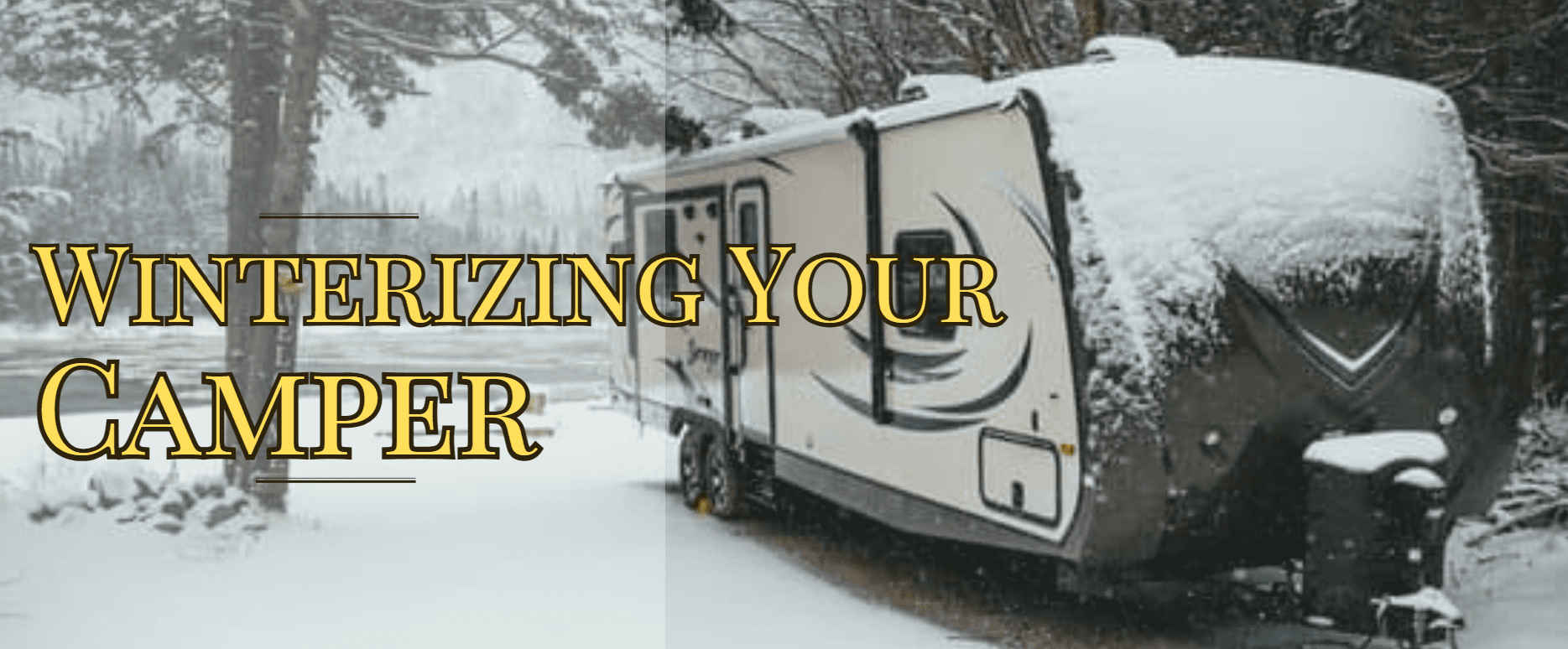
The Ultimate Guide to Winterizing Your Camper: Mid-Atlantic Edition
For campers in the Mid-Atlantic region, winter can be harsh on RVs, travel trailers, and campers. Freezing temperatures, snow, ice, and humidity can cause costly damage if your camper isn’t properly winterized. Whether you’re a seasoned RV enthusiast or a weekend warrior, this ultimate guide to winterizing your camper will ensure your investment is protected and ready for spring adventures.
Why Winterizing Your Camper Matters
Winterizing your camper is more than a seasonal chore—it’s essential for protecting your vehicle and preventing expensive repairs. Here’s why it matters:
-
Prevent frozen pipes and water damage: Water left in plumbing lines or tanks can freeze, expand, and crack pipes, fittings, and tanks.
-
Protect your appliances: Water heaters, refrigerators, and sinks are susceptible to damage if water remains in the lines.
-
Avoid mold and mildew: Moisture left in the camper can lead to mold growth, which is expensive and unhealthy to remove.
-
Preserve seals and finishes: Winter weather, UV exposure, and moisture can degrade seals, paint, and finishes if your camper is not protected.
For Mid-Atlantic campers, winter temperatures can drop below 20°F, with occasional snowstorms and heavy rain. Proper winterization ensures your camper survives these conditions without damage.
Step 1: Clean and Inspect Your Camper
Before doing any winterization tasks, start with a thorough cleaning and inspection. This step ensures you address existing issues before the cold sets in.
Interior Cleaning
-
Remove all food, trash, and perishable items.
-
Vacuum and wipe down surfaces, cabinets, and floors.
-
Clean upholstery, curtains, and mattresses to prevent mold or odor buildup.
-
Check for leaks around windows, vents, and doors.
Exterior Cleaning
-
Wash your camper to remove dirt, debris, and road salt.
-
Inspect the roof, seams, windows, and slide-outs for cracks or damage.
-
Repair any minor damage to prevent leaks over the winter.
Pro Tip: In the Mid-Atlantic, moisture from snow and rain can quickly exacerbate small leaks. Inspecting now can save major headaches later.
Step 2: Drain and Protect Your Water System
The most critical part of winterizing a camper is draining all water systems to prevent frozen pipes and water heater damage.
Drain Water Tanks
-
Freshwater Tank: Open the drain valve and empty the tank completely.
-
Gray and Black Tanks: Drain the gray water (sink/shower) and black water (toilet) tanks. Use gloves and safety precautions.
-
Open Faucets and Valves: Open all interior faucets, showerheads, and the toilet to allow residual water to drain.
Bypass the Water Heater
-
Install a water heater bypass kit to prevent antifreeze from filling the heater, saving gallons of antifreeze and protecting your heater.
Use RV Antifreeze
-
Use non-toxic RV antifreeze for the winter. Pour into low-point drains, faucets, toilet, and traps.
-
Never use automotive antifreeze—it’s toxic and unsafe for plumbing.
Additional Plumbing Tips
-
Blow out lines with a compressor to remove remaining water.
-
Pour antifreeze into traps (sink, shower) and the toilet.
-
Don’t forget exterior shower connections.
Step 3: Protect Your Tanks and Hoses
Sealing and Covering
-
Cover sewer hoses, freshwater fill ports, and vents to prevent freezing.
-
Wrap any exposed pipes with foam insulation or heat tape designed for RVs.
Tank Maintenance
-
Add RV antifreeze to tanks to prevent residual water from freezing.
-
Store hoses inside your home or garage if possible to prevent cracking.
Tips for Mid-Atlantic Winters
-
Temperatures often fluctuate above and below freezing. This freeze-thaw cycle can stress pipes more than continuous cold.
-
Consider using a heated water hose if storing outside with some water still in lines is unavoidable.
Step 4: Winterize Your Camper’s Exterior
Seal and Protect
-
Inspect seals around windows, doors, and vents. Replace or repair any cracked caulking.
-
Apply a UV protectant to your camper’s roof and exterior surfaces to prevent sun and weather damage.
-
Wax your camper to provide an extra layer of protection against moisture and snow.
Protect the Roof
-
Clean the roof thoroughly.
-
Inspect for cracks, leaks, or damage.
-
Apply a protective coating if recommended by the manufacturer.
Slide-Outs and Awnings
-
Retract all slide-outs completely and clean the seals.
-
Lubricate seals with silicone spray.
-
Retract awnings, clean them, and allow them to dry before storage.
Step 5: Battery and Electrical Winterizing
Remove or Maintain Batteries
-
Remove your RV battery and store it in a cool, dry place above freezing.
-
Check the battery’s charge and periodically recharge during the winter.
-
For sealed AGM or lithium batteries, follow the manufacturer’s recommendations for winter storage.
Protect Electrical Components
-
Unplug shore power and remove any extension cords.
-
Inspect and clean exterior electrical connections.
-
Cover outlets to prevent moisture intrusion.
Heating and Refrigeration
-
If storing in a heated garage, set the refrigerator to propane mode and leave the door slightly open.
-
Never store your fridge completely on to avoid compressor damage.
Step 6: Interior Protection
Humidity Control
-
Use moisture absorbers or small dehumidifiers to prevent mold and mildew.
-
Leave cabinet doors and drawers slightly open to allow airflow.
Protect Furniture and Appliances
-
Remove fabric covers or cushions and store them indoors if possible.
-
Cover electronics with breathable covers to prevent dust accumulation.
-
Avoid storing combustible items in cabinets with antifreeze residues.
Flooring Protection
-
Place moisture-absorbing mats or rugs in high-traffic areas.
-
Avoid leaving water-based cleaning products on floors.
Step 7: Storage Considerations
Outdoor Storage Tips
-
Use a high-quality, breathable RV cover designed for winter. Avoid plastic tarps that trap moisture.
-
Consider parking your camper on a slight incline to allow snowmelt and rainwater to drain away.
-
Avoid parking under trees if possible—ice and branches can cause damage.
Indoor Storage Tips
-
Heated garages or storage units protect your camper from freezing temperatures and moisture.
-
Ensure good ventilation to prevent condensation and mold.
-
Keep the battery, propane, and antifreeze topped off according to manufacturer guidelines.
Security Measures
-
Lock doors, windows, and compartments.
-
Use a hitch lock or wheel lock to deter theft.
-
Remove valuables and personal items from the camper.
Step 8: Tires and Suspension
Tire Care
-
Inflate tires to manufacturer-recommended PSI.
-
Consider using tire covers to protect from UV and ice.
-
If possible, move the camper periodically to avoid flat spots on tires.
Suspension and Chassis
-
Lubricate moving parts per manufacturer instructions.
-
Inspect for rust and treat metal surfaces as needed.
Step 9: Propane and Gas System
-
Turn off all propane tanks at the source.
-
Disconnect propane lines if storing indoors.
-
Inspect tanks for leaks or rust.
-
Store propane safely away from enclosed areas.
Step 10: Final Checks Before Storage
-
Walk around the camper and check all vents, seals, and covers.
-
Make sure antifreeze is in all necessary lines and traps.
-
Double-check that appliances are turned off.
-
Document your winterization process for next year.
Mid-Atlantic Specific Tips
Winterizing in the Mid-Atlantic requires attention to freeze-thaw cycles and humidity:
-
Freeze-Thaw Protection: Pipes are vulnerable when temperatures fluctuate between 20°F and 40°F. Blow out lines completely and use antifreeze.
-
Humidity Management: High humidity can cause condensation inside the camper. Use desiccant packs or a small dehumidifier.
-
Snow Load Considerations: Mid-Atlantic snow can be heavy. Keep your camper roof clean and check slide-outs.
-
Insurance Tip: Document your winterization process and take photos — useful in case of damage claims.
Common Winterization Mistakes
-
Skipping antifreeze in traps and low points – even a small amount of water can freeze.
-
Not cleaning or drying the interior – leads to mold and odors.
-
Ignoring exterior seals – water intrusion over winter can cause significant damage.
-
Improper battery storage – frozen or discharged batteries lose capacity.
-
Leaving propane tanks full or exposed – can be a safety hazard.
Optional Tips for Mid-Atlantic Campers
-
Heated storage pads or water line heaters: If storing outdoors, these prevent freezing in extreme cold spells.
-
RV tent or carport: Protects against snow accumulation and ice damage.
-
Winterizing generator: Run the generator with fuel stabilizer added to prevent carburetor damage.
-
Check for critters: Seal vents and openings to prevent mice or squirrels from nesting in your camper.
Spring Prep: De-Winterizing
Winterizing is only half the battle—proper spring de-winterization ensures you’re ready for the season:
-
Flush all antifreeze from lines and tanks.
-
Sanitize freshwater system.
-
Inspect all exterior seals and tires.
-
Recharge or replace batteries.
-
Inspect appliances and test propane and electrical systems.
Conclusion
Winterizing your camper in the Mid-Atlantic is essential for protecting your investment and ensuring a safe, fun camping season next year. By following this guide, you’ll:
-
Prevent frozen pipes and water damage
-
Reduce mold and mildew risk
-
Protect appliances and seals
-
Ensure smooth spring startup
Taking the time to carefully winterize your camper means less stress, fewer repairs, and more time enjoying the outdoors when the weather warms up. Whether you store your camper outdoors or in a heated garage, these tips will keep it in top shape until your next adventure.
Estimated word count: ~2,050
If you want, I can also create a checklist version of this guide that’s printable for campers—with step-by-step winterizing tasks in order, plus Mid-Atlantic climate tips. This is very popular for blogs and campground handouts.
Do you want me to make that checklist next?
You said:
ChatGPT said:
Perfect! Here’s a printable, step-by-step Mid-Atlantic Camper Winterizing Checklist based on the full 2,000-word guide. It’s organized in order of tasks and includes quick tips for the region.
Mid-Atlantic Camper Winterizing Checklist
Keep your camper safe through winter with this simple step-by-step guide!
1. Clean and Inspect
-
Remove all food, trash, and perishable items
-
Vacuum and wipe down interior surfaces, cabinets, and floors
-
Clean upholstery, curtains, and mattresses
-
Check for leaks around windows, vents, and doors
-
Wash exterior and inspect roof, seams, and slide-outs for damage
Mid-Atlantic Tip: Moisture from rain and snow can worsen leaks—catch them now!
2. Drain and Protect Water System
-
Drain freshwater tank
-
Drain gray and black water tanks
-
Open all interior faucets, showerheads, and toilet
-
Install water heater bypass kit
-
Blow out lines with compressor (optional but recommended)
-
Pour non-toxic RV antifreeze into drains, traps, faucets, and toilet
Tip: Avoid automotive antifreeze—it’s toxic!
3. Protect Tanks and Hoses
-
Cover sewer hoses, fill ports, and vents
-
Wrap exposed pipes with insulation or heat tape
-
Store hoses indoors if possible
Mid-Atlantic Tip: Freeze-thaw cycles can stress pipes more than continuous cold.
4. Winterize the Exterior
-
Inspect and seal cracks around windows, doors, and vents
-
Apply UV protectant to roof and exterior surfaces
-
Wax exterior for moisture protection
-
Clean and lubricate slide-out seals
-
Retract awnings, clean, and allow to dry before storage
5. Battery and Electrical
-
Remove battery and store in a cool, dry place above freezing
-
Recharge battery periodically over winter
-
Unplug shore power and cords, inspect connections
-
Cover interior electronics
6. Interior Protection
-
Use moisture absorbers or small dehumidifier
-
Leave cabinets and drawers slightly open for airflow
-
Remove cushions or store indoors if possible
-
Protect floors with moisture-absorbing mats or rugs
7. Storage Considerations
Outdoor Storage:
-
Use breathable RV cover (avoid plastic tarps)
-
Park on slight incline for drainage
-
Avoid parking under trees
Indoor Storage:
-
Ensure good ventilation
-
Keep battery, propane, and antifreeze topped off
Security:
-
Lock doors, windows, and compartments
-
Remove valuables
-
Use hitch or wheel locks
8. Tires and Suspension
-
Inflate tires to recommended PSI
-
Use tire covers for UV and ice protection
-
Move camper periodically to avoid flat spots
-
Lubricate suspension and inspect chassis for rust
9. Propane and Gas Systems
-
Turn off all propane tanks at the source
-
Disconnect propane lines if storing indoors
-
Inspect tanks for leaks or rust
-
Store propane safely away from enclosed areas
10. Final Winterization Check
-
Inspect all vents, seals, and covers
-
Ensure antifreeze is in all lines and traps
-
Double-check appliances are off
-
Document the winterization process with photos
Optional Mid-Atlantic Tips
-
Consider heated water pads or line heaters if storing outdoors
-
Use RV tent or carport to prevent snow accumulation
-
Add fuel stabilizer to generators
-
Seal vents to prevent critters from entering
Spring Prep (De-Winterizing Reminder)
-
Flush antifreeze from all lines and tanks
-
Sanitize freshwater system
-
Inspect seals, tires, and exterior for winter damage
-
Recharge or replace batteries
-
Test appliances, propane, and electrical systems
✅ Tip: Keep this checklist handy in your camper or digital device for quick reference each winter. Completing each step protects your investment and ensures stress-free spring adventures!